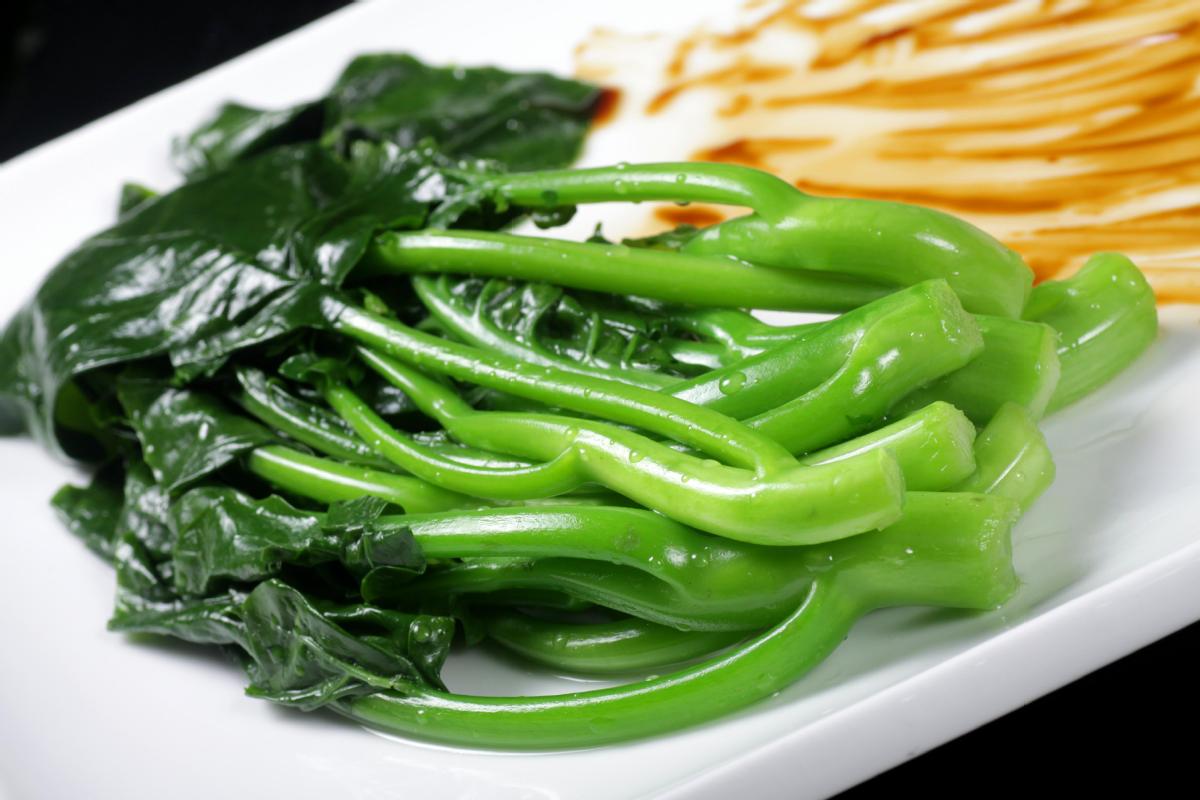
Chinese Cooking Technique: Blanching
Introduction
Blanching is a cooking technique extensively utilized in Chinese cuisine. It involves briefly immersing food, typically vegetables, meat, or seafood, in boiling water and then quickly transferring them to ice-cold water. This process helps in partially cooking the food while preserving its color, texture, and nutritional value. In Chinese cooking, blanching is often used to prepare ingredients for further cooking methods or to make them ready for consumption in salads and cold dishes. The technique is simple, yet it requires precision and attention to detail to achieve the desired results.
The Process of Blanching
Preparation
Preparation is a crucial step in the blanching process. It starts with selecting fresh and high-quality ingredients. Vegetables should be washed thoroughly to remove any dirt or pesticides, and meats and seafood should be fresh and appropriately portioned. In Chinese cuisine, it is common to cut vegetables into uniform sizes to ensure even cooking. The water used for blanching is usually salted, which helps to enhance the flavor of the ingredients and maintain their vibrant color. Additionally, having an ice bath ready is essential to stop the cooking process immediately after blanching.
Blanching Technique
The blanching technique involves several precise steps to achieve the best results. Firstly, a large pot of water is brought to a rapid boil. The prepared ingredients are then added to the boiling water for a specific duration, depending on the type and size of the food. Vegetables typically require a shorter blanching time to preserve their crispness, while meats and seafood may need slightly longer to ensure they are adequately cooked. It is crucial to avoid overcooking during the blanching process to maintain the food's texture and flavor.
Cooling and Draining
After blanching, the ingredients are immediately transferred to an ice bath. This step is known as shocking, and it serves to halt the cooking process abruptly. The ice bath helps retain the food's color and texture while cooling it down quickly. Once the ingredients are sufficiently cooled, they are drained thoroughly to remove any excess water. Proper draining is vital in Chinese cooking to prevent diluting the flavors of the dish. The blanched ingredients can then be used in various dishes, served cold, or cooked further using other methods.
Benefits of Blanching
Nutritional Advantages
One of the primary benefits of blanching is its ability to preserve the nutritional content of food. By quickly cooking ingredients at high temperatures and then cooling them rapidly, blanching minimizes the loss of essential vitamins and minerals. This technique is especially beneficial for vegetables, as it maintains their vibrant color and crisp texture while retaining nutrients like vitamin C and antioxidants. In Chinese cuisine, where fresh produce is highly valued, blanching serves as an ideal method to preserve the health benefits of vegetables.
Texture and Flavor Enhancement
Blanching not only preserves the nutritional value of food but also enhances its texture and flavor. The brief cooking time during blanching softens the fibers of vegetables, making them tender yet crisp. This texture is highly desirable in many Chinese dishes, where a balance of softness and crunchiness is sought after. Additionally, blanching can help to remove any impurities or undesirable flavors, leaving a clean and fresh taste. By blanching ingredients before incorporating them into dishes, Chinese chefs can elevate the overall dining experience with enhanced flavors and appealing textures.
Blanching vs. Other Cooking Techniques
Blanching is distinct from other cooking techniques used in Chinese cuisine, such as steaming, boiling, and stir-frying. Unlike boiling, which fully cooks food, blanching is a partial cooking method followed by immediate cooling. This difference is crucial for maintaining the texture and color of ingredients. Compared to steaming, blanching is faster and requires less equipment, making it a convenient option for quick meal preparation. While stir-frying adds flavor through caramelization and sauce absorption, blanching emphasizes the natural taste and nutritional content of ingredients. Each technique has its unique advantages, and Chinese chefs often select the method that best suits the dish they are preparing.








